SPECUS / WORLD
World of Specus
Specus is a study of form, time, orientation, and the shared organisation of space. Watches, objects, and settlements appear here as different scales of one practice: from something worn on the wrist to a place in which people live. Engineering tests ideas through material, assembly, and use; history and traditional thought help reveal forms to which people repeatedly return.
Forms before names
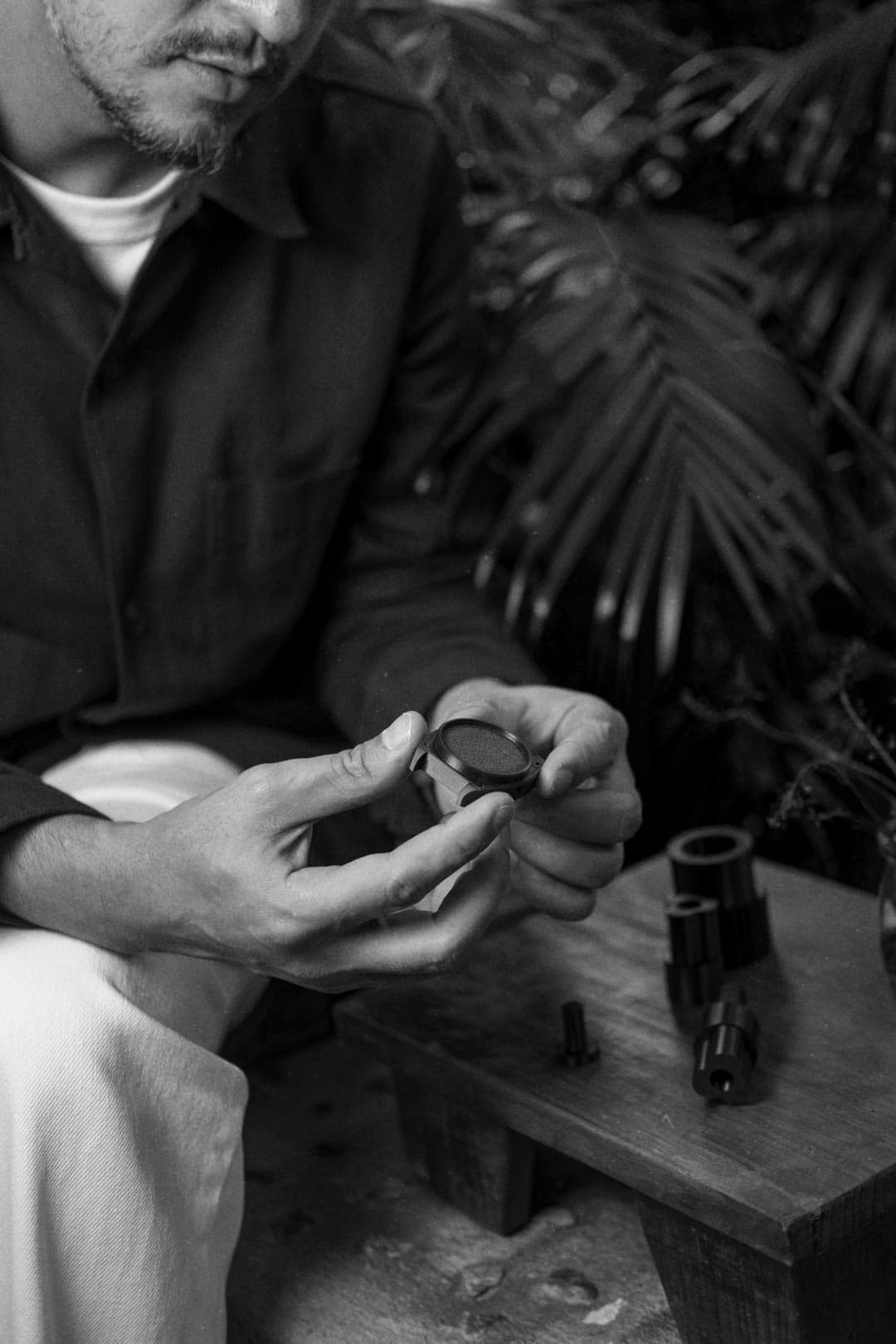
We cannot name the person who invented the centre, the axis, or the circle. Yet when we need to represent the order of something vast and invisible — time, the year, or the world — we return to these forms.
Specus treats them as practical instruments of orientation rather than decoration. Research becomes a drawing, a dimension, a joint, a route, or a rule; engineering tests whether the idea can take material form.
Open the project indexOne order, three scales
At 42 mm, SA-1 places a map on the wrist. At 420 mm, Art Object No. 01 turns the same geometry into a wall field with replaceable elements. At territorial scale, Village develops a boundary, entrance, centre, paths, functional directions, and shared rhythms.
The projects remain independent objects. Their proportions, interfaces, and spatial decisions make their relationship visible without explanatory symbolism.
Open Specus Village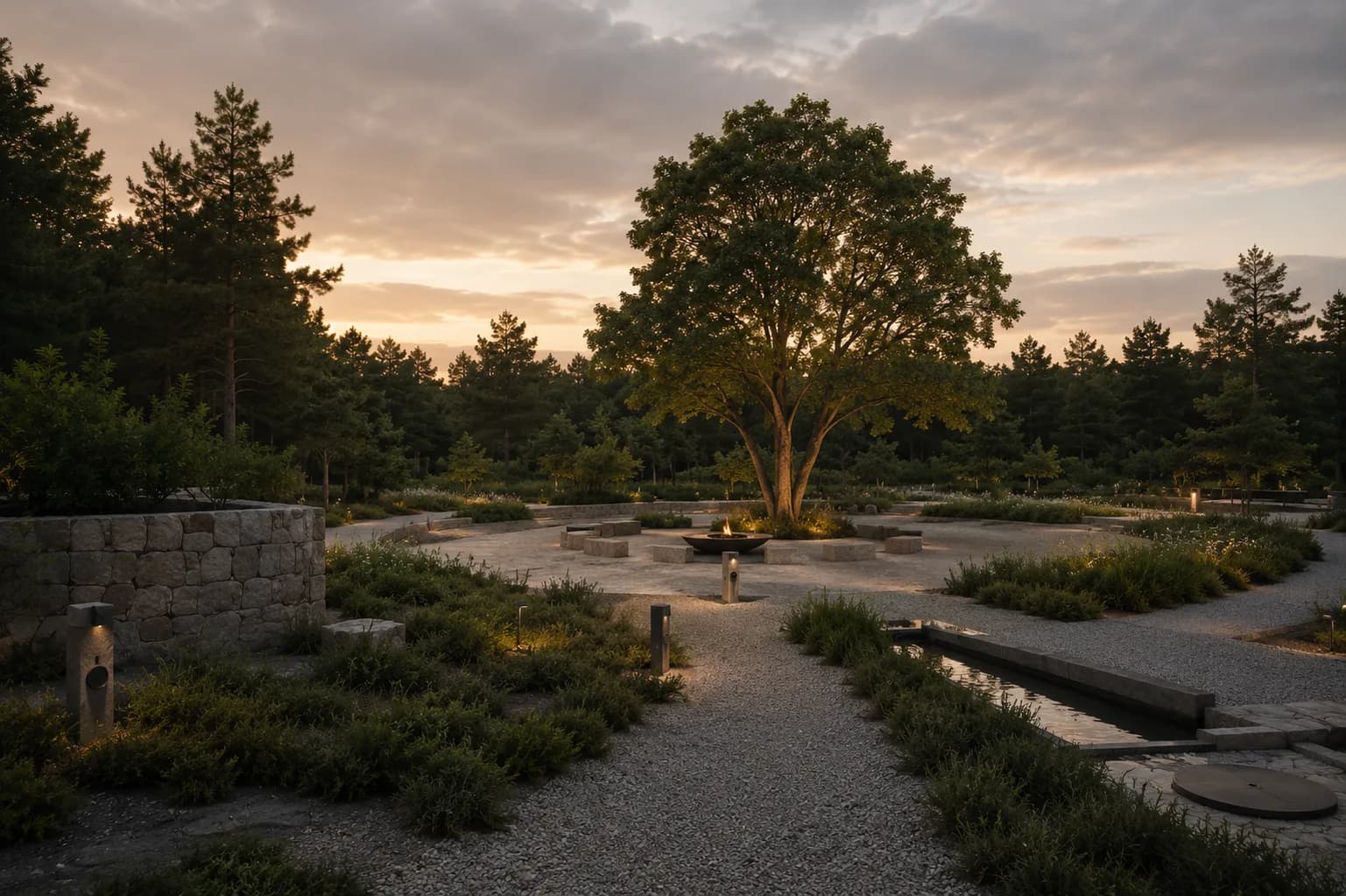
Open practice
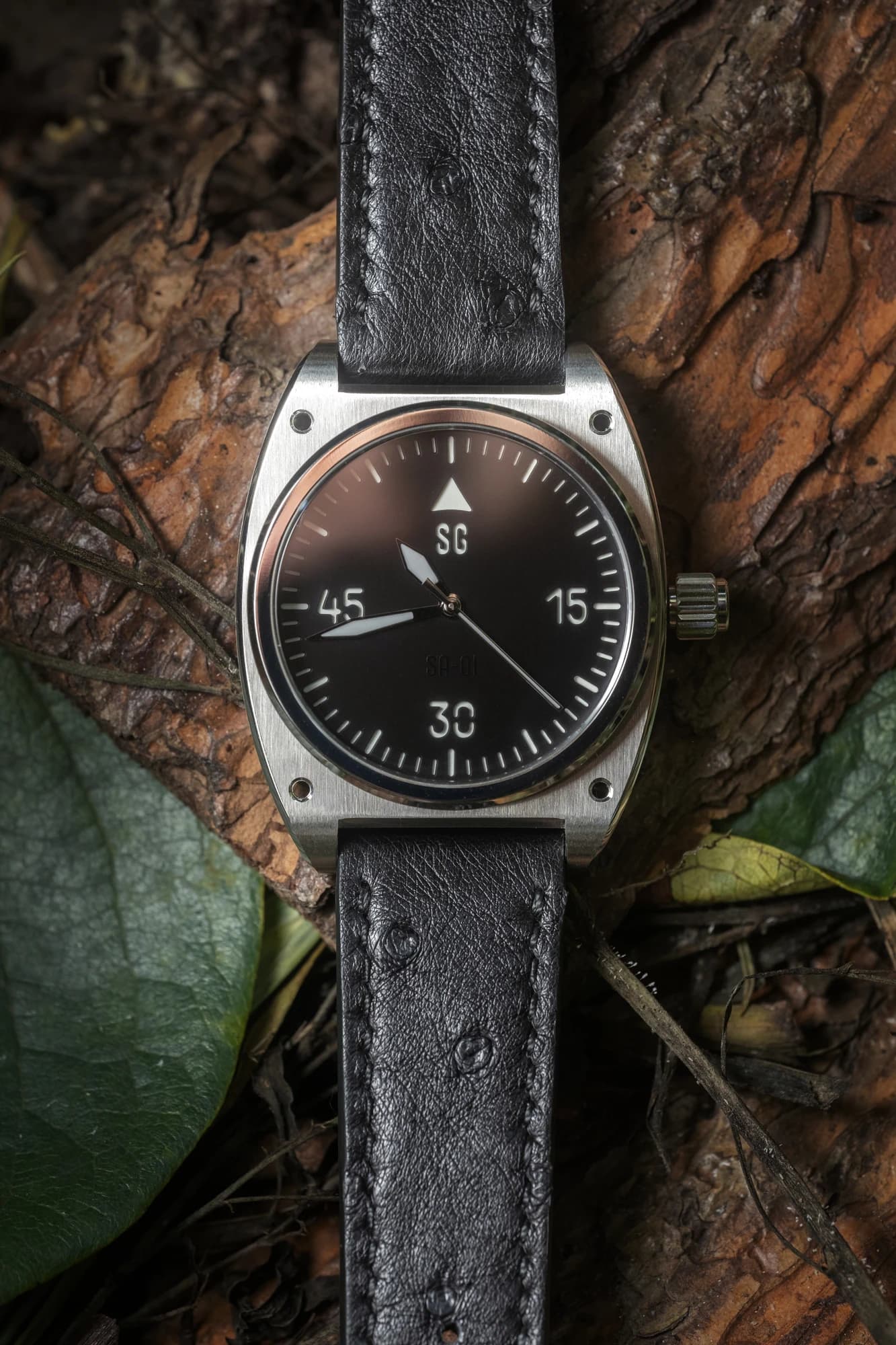
Drawings, specifications, mounting points, and replaceable modules give other people room to continue an object. The owner can configure, repair, commission, or design compatible parts instead of remaining a passive user.
The same principle guides the knowledge base and digital tools. Sources, decisions, and performance limits remain traceable so that each project can develop without losing its origin.
Open the SA-1 reportParadox of Freedom
Modularity creates creative freedom. Constraints — standards, interfaces, and compatibility — define a clear space for action.
Systems like PALS, fixed attachment points, and a limited set of elements form a structured field where decisions become easier and combinations become more meaningful.
A well-defined system turns choice into a practical and repeatable creative action.
Open Paradox of Freedom