Specus: objects, systems, and places

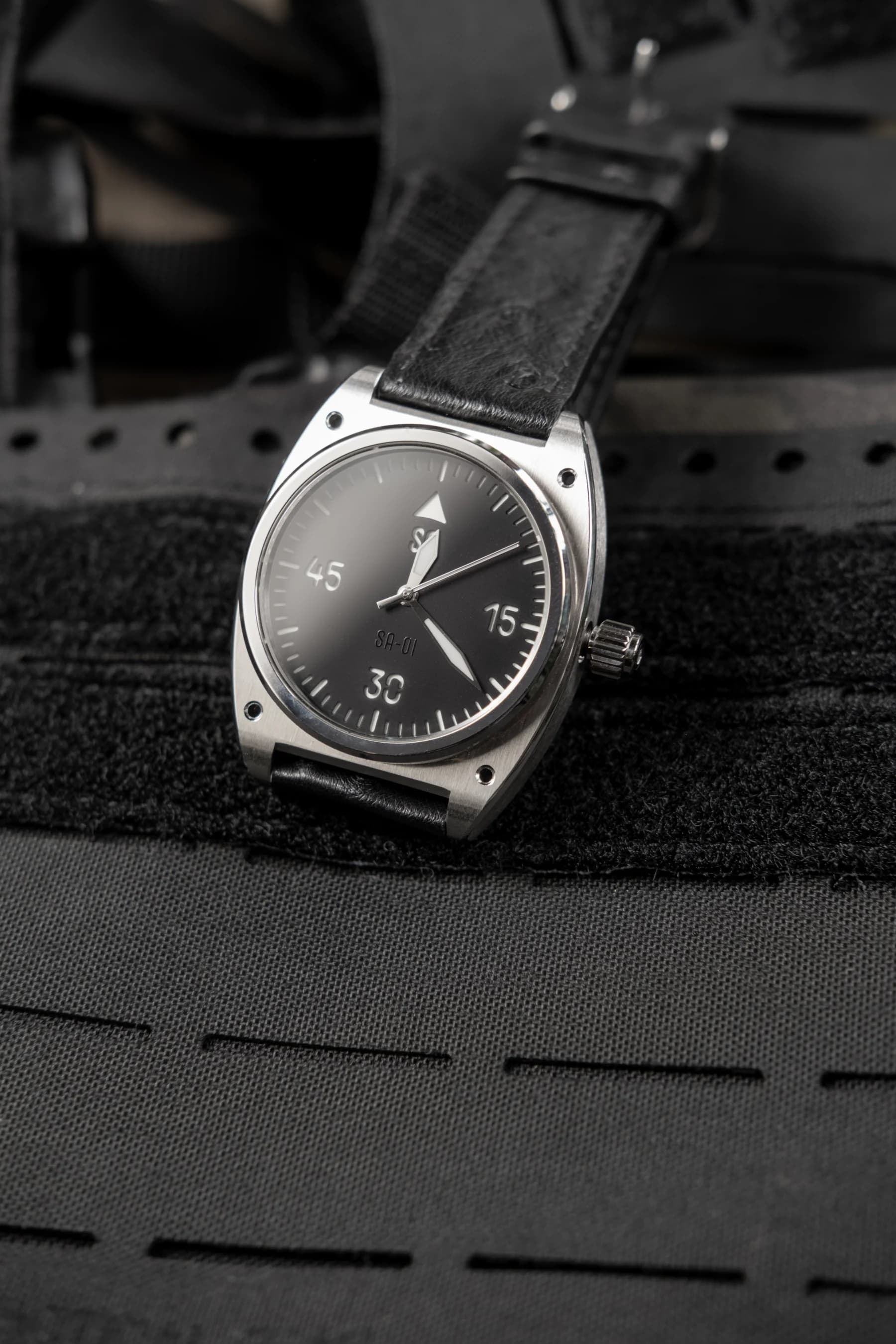
Specus SA-1 Watch
SA-1 is the first watch project inside the Specus system — a modular object built around an open interface rather than a closed product format.
The watch is designed as a starting point: a base artifact that can evolve through interchangeable components, future modules, and external collaborations.
Its logic follows the same principle as the rest of Specus: the object is not final. It becomes more precise through use, modification, and time.
Specus SA-1Specus Village
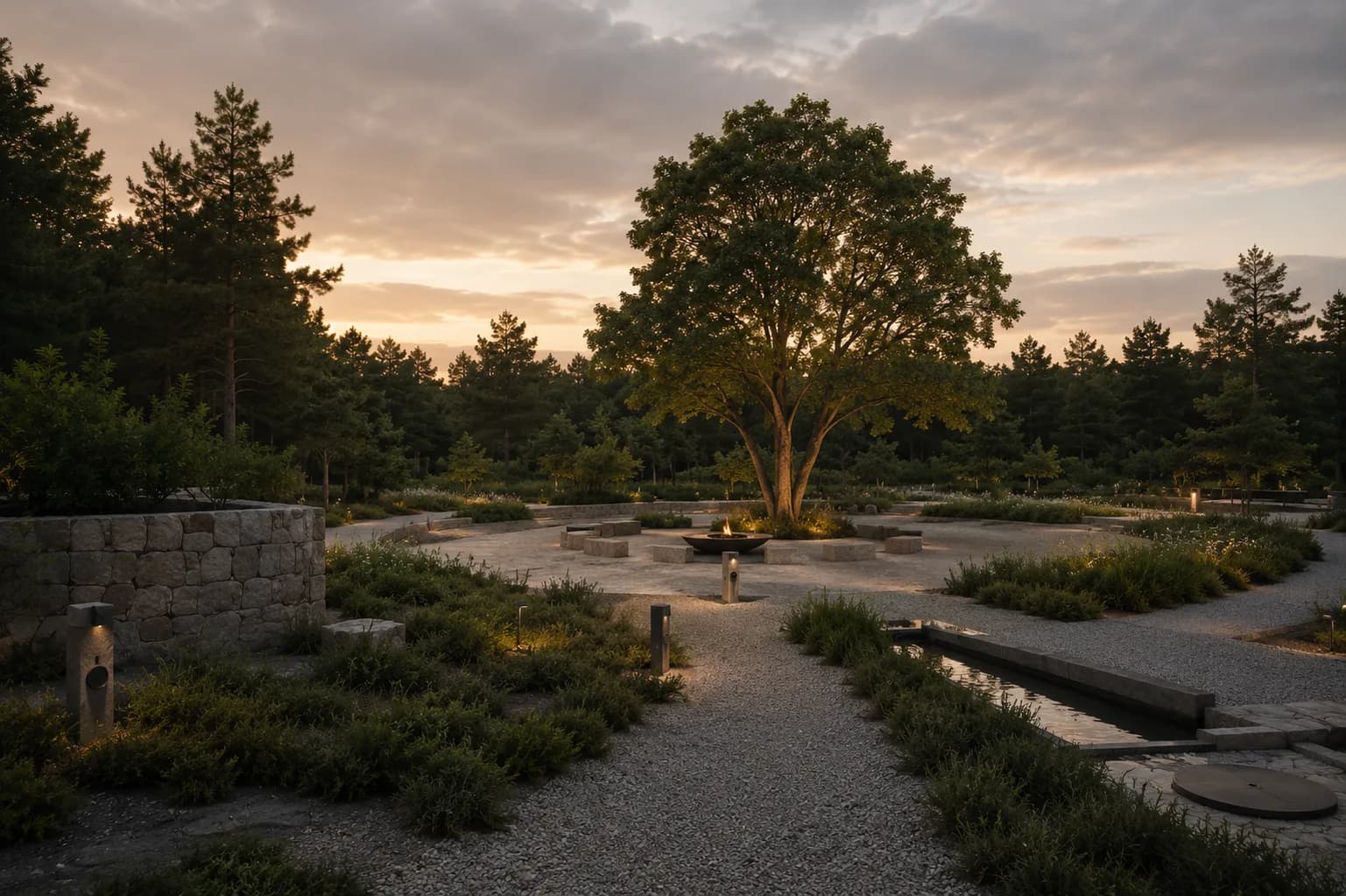
Specus Village is a managed living environment that combines houses, land logic, infrastructure, service, resilience, and long-term operation into one system.
The project can start from one home and scale toward a small settlement with shared infrastructure, productive landscape, and engineering resilience.
It follows the same Specus logic: not a finished product, but an open system that becomes more precise through site, use, and time.
Specus Village
Open Systems
Specus is built as an open system. Geometry is not fixed — it is defined through relationships, constraints, and evolving structures.
Instead of static products, we design components that can be extended, modified, and recombined across different contexts.
This creates a system where form is not final — it is continuously shaped by interaction, iteration, and use.
GitHubParadox of Freedom
Modularity creates creative freedom. Constraints — standards, interfaces, and compatibility — define a clear space for action.
Systems like PALS, fixed attachment points, and a limited set of elements form a structured field where decisions become easier, and combinations become more meaningful.
A well-defined system turns choice into a practical and repeatable creative action.
Open Paradox of Freedom